Faith-Rooted, Evidence-Based Recovery in San Jose, CA

Nine years serving the South Bay with addiction treatment that grew out of a recovery ministry. Today we operate a 47-bed facility, a 94-person clinical team, and a full continuum of detox, residential, and outpatient care for adults across Santa Clara County.

About LFSP Rehab

LFSP Rehab opened in 2017 as the clinical expansion of a recovery ministry that had been running open meetings, sponsor matching, and family support groups out of a converted office on De Anza Boulevard since 2011. By 2016, the ministry's lay leadership and the licensed clinicians who had been quietly attending its meetings agreed on a clinical truth: the peer-support work was excellent, but the people who needed medical detox, psychiatric medication, and a structured residential continuum could not get that piece from a ministry. The licensure process began that fall.

Nine years later, LFSP runs a 47-bed residential facility, a dedicated medical detox wing, a full outpatient continuum, and a 94-person clinical team. The original ministry continues to operate independently and shares a referral relationship with the clinical center — patients can engage with either, both, or neither, depending on what fits. What carries across both arms is the orientation: addiction recovery as a whole-person undertaking that touches body, mind, family, and (for the patients who want it) faith.

Learn More
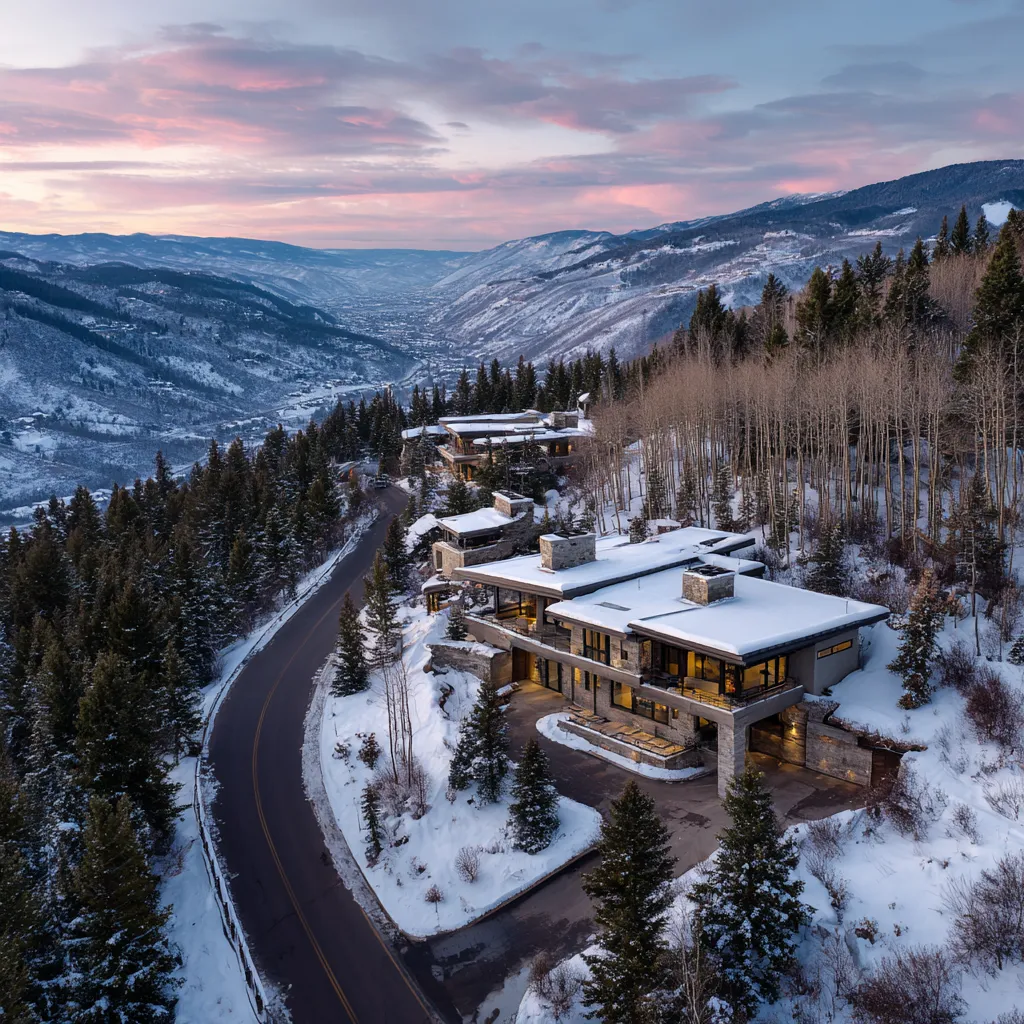
LFSP Rehab facility

Why Choose LFSP Rehab

Whole-Person Treatment Planning

Every admission begins with an assessment that covers medical, psychiatric, social, occupational, and (when relevant to the patient) spiritual dimensions. The treatment plan is built across all of them, not just the substance-use piece. Patients consistently identify this as what makes our program different from the other facilities they have tried.

Motivational Enhancement, Not Confrontation

LFSP's clinical model is built on motivational interviewing and motivational enhancement therapy rather than the confrontational approaches that defined an earlier generation of addiction treatment. Patients describe the difference within days: the clinical relationship pulls them toward their own reasons for change rather than imposing reasons from outside.

Mind-Body Connection Built Into the Schedule

Neurofeedback, equine-assisted therapy, adventure therapy, an outdoor yoga deck, and an aquatic center are all part of the residential schedule — not optional add-ons. The neuroscience on mind-body practices in early recovery is increasingly clear, and we have built the daily rhythm around what the evidence supports.

Creative Expression as Clinical Practice

The Creative Arts Studio and Art Therapy Room are staffed by a licensed art therapist, not a recreational programmer. Patients whose trauma history makes purely verbal therapy slow to land often have breakthroughs in the creative-expression sessions that the talk therapy did not produce.

Family Programming, Not Just Family Visits

Family-systems sessions begin in week two of residential and continue through the outpatient tier. The work is clinical, scheduled, and led by a licensed marriage and family therapist — not informational updates.

In-Network with Eight Major Plans

Aetna, Blue Cross Blue Shield, Medicaid, Medicare, Oscar Health, MultiPlan, Tricare, and United Healthcare. Insurance verification typically completes within an hour of the first admissions call.

Treatment Programs

Medical Detox

Safe, medically supervised detoxification

Learn more

Residential

Immersive, 24/7 treatment environment

Learn more

Outpatient

Flexible treatment while maintaining daily life

Learn more

Dual Diagnosis

Integrated psychiatric and addiction care

Learn more

Stories of Recovery

"I'm 27. I started drinking heavily in college, then transitioned to prescription opioids after a knee surgery, then to street fentanyl when the prescriptions stopped. By the time my older brother brought me to LFSP I had been using daily for almost three years. What I expected was lectures and judgment. What I got was a clinical team that treated me as a 27-year-old with a lot of life ahead of me, not as a problem to be managed. The motivational interviewing approach in the first week made the difference — they helped me find my own reasons to stop, instead of telling me what they should be. Sixteen months sober, finishing my engineering degree at San Jose State."

- Tomas G., residential alumnus, 2024

"This was my fourth attempt at residential. The other three programs had been more confrontational, more abstinence-only, more 'the only way is our way.' I left each of them within thirty days. LFSP was different from the assessment forward — they wanted to know what had not worked in the prior treatments and built the plan around the specific gaps. The neurofeedback work and the equine therapy were both things I would have laughed at five years ago, and they ended up being the pieces that finally moved something I could not move with talk alone. I'm three years sober. The other three programs were not failures — they were the work I had to do before I could use what LFSP offered."

- Pamela R., residential alumna, 2023

"I completed LFSP's residential program in 2019, finished IOP in early 2020, and have been working as a peer recovery coach at LFSP since 2022. The path back was not linear, and the staff I now work with were patient with that — including the relapse I had eighteen months out, the one that brought me back through admissions and back through residential without a single conversation that made me feel like I had failed. The clinical team I work alongside now is the same one that treated me. Sobriety, for me, has meant becoming part of the thing that helped me."

- Marquise D., LFSP alumnus and peer recovery coach

Take the First Step

Our admissions team is available 24/7. All calls are free and confidential.