About LFSP Rehab

Dedicated to healing lives through compassionate, evidence-based care

Our Story

LFSP began in 2011, not as a treatment center but as a small recovery ministry meeting in a borrowed office on De Anza Boulevard. The lay leadership at the time — three working professionals in long-term recovery and two ordained pastoral counselors — had watched the South Bay's addiction landscape shift through the 2000s and saw something they could do: a no-cost weekly meeting structure built on peer fellowship, sponsor matching, and family support. For six years, the ministry operated entirely on volunteer labor, never charged a dollar, and quietly built a reputation across Santa Clara County as the place where people went when they were ready to talk seriously about getting sober.

The shift toward licensure came from inside the ministry itself. By 2016, several licensed clinicians had been attending the meetings — physicians, therapists, nurses, who themselves were in recovery — and the conversation kept returning to the patients the ministry could not help: people who needed medical detox before they could engage with peer support, people whose untreated psychiatric conditions made faith-based community alone insufficient, people whose substance-use severity required residential structure that no volunteer-run ministry could provide. The clinical and lay leadership formed a working group, wrote a clinical model that integrated motivational enhancement therapy with the ministry's existing peer-fellowship framework, and began the California licensure process that fall.

LFSP Rehab opened as a licensed facility in 2017. The original ministry continues to operate independently, in the same office where it began, with its own volunteer structure and zero-cost meetings. The clinical center and the ministry share a referral relationship, but each operates on its own terms. Patients can engage with either, both, or neither, depending on what fits. What carries across both arms — and what the founding leadership insisted on from the licensure conversation forward — is the orientation: addiction recovery as a whole-person undertaking that touches body, mind, family, and (for the patients who want it) faith.
LFSP Rehab founding

Our Mission

LFSP exists to provide accessible, clinically rigorous addiction treatment for the people of Santa Clara County — and to address the upstream conditions that produce substance use disorder in our communities through prevention work that runs in parallel with the treatment side.

The prevention orientation is built into the mission for a specific reason: by the time a patient reaches our admissions line, the disease has typically been progressing for years, often through windows during which earlier intervention would have been substantially easier. We invest in the upstream side — school-based prevention partnerships, primary-care addiction-medicine consultation, family education through the original ministry network — because the patients we treat tomorrow are being shaped by what does or does not happen in those upstream settings today.

On the treatment side, our commitment is to deliver the care we would want our own family members to receive: clinically current, individualized, respectful, and structured around what the patient actually needs rather than what the insurance authorization timer allows. The 12-month sustained-sobriety data on our cohort is reviewed quarterly and shared transparently with referring physicians and prospective patients.

Treatment Philosophy

Three clinical pillars structure the work at LFSP. They are visible in every treatment plan and every staff training cycle.

Motivational Enhancement

The clinical literature on motivational interviewing and motivational enhancement therapy is unambiguous: relative to confrontational and directive approaches, motivational methods produce better retention, better engagement, and better outcomes — particularly with patients in early stages of change. LFSP's clinical model is built around this evidence. Every primary therapist completes formal training in motivational interviewing before patient contact, and the supervision model includes regular session review against motivational-interviewing fidelity criteria.

Mind-Body Connection

The neuroscience on what happens to the brain during active addiction — and during the first 90 days of recovery — increasingly supports treatment modalities that engage the body as well as the cognitive system. Neurofeedback, equine-assisted therapy, adventure therapy, and structured outdoor physical activity are integrated into the residential schedule because the evidence base for each has matured to the point where excluding them looks like a clinical oversight, not a stylistic choice.

Creative Expression as Healing

The Creative Arts Studio and the Art Therapy Room are staffed by a licensed art therapist with subspecialty training in trauma-focused creative-expression work. The clinical purpose is specific: many of our patients arrive with trauma histories that purely verbal therapy reaches slowly, and the creative-expression modalities access material that the talking does not. Patients consistently identify breakthroughs in these sessions that did not happen in their individual or group therapy.

Our Team

Executive Director

Dr. Renata Soriano, PsyD, MFT

Co-Founder and Executive Director

One of the founding clinicians who shepherded LFSP from a volunteer recovery ministry into a licensed treatment center in 2017. Doctorate from the Wright Institute, licensed for twenty-two years. Dr. Soriano sets clinical strategy, oversees regulatory compliance with California DHCS, and still carries a small Wednesday caseload of family-systems sessions.

Medical Director

Dr. Sahil Bhardwaj, MD, FASAM

Medical Director

Board-certified in internal medicine and addiction medicine. Eight years on the faculty at Stanford Medical Center before joining LFSP in 2020 to lead the medical detox program and the addiction-medicine consultation service. Dr. Bhardwaj sets withdrawal protocols, leads the medication-assisted treatment program, and supervises the staff physician team.

Clinical Director

Bethany Okonkwo-Bryant, LCSW, RAS

Clinical Director

Licensed clinical social worker and Registered Addiction Specialist with seventeen years of experience in residential and outpatient addiction treatment. Bethany directs the therapy curricula across all levels of care, runs the motivational-interviewing training cycle for clinical staff, and designed LFSP's creative-expression therapy track in partnership with the art therapy team.

Director of Psychiatry

Dr. Heinrich Voltaire, MD

Director of Psychiatry

Board-certified psychiatrist with subspecialty certification in addiction psychiatry. Joined LFSP in 2021 from a community psychiatry practice in Mountain View. Dr. Voltaire reviews every dual-diagnosis admission within 48 hours, supervises a team of three staff psychiatrists, and runs the weekly medication-management case conference.

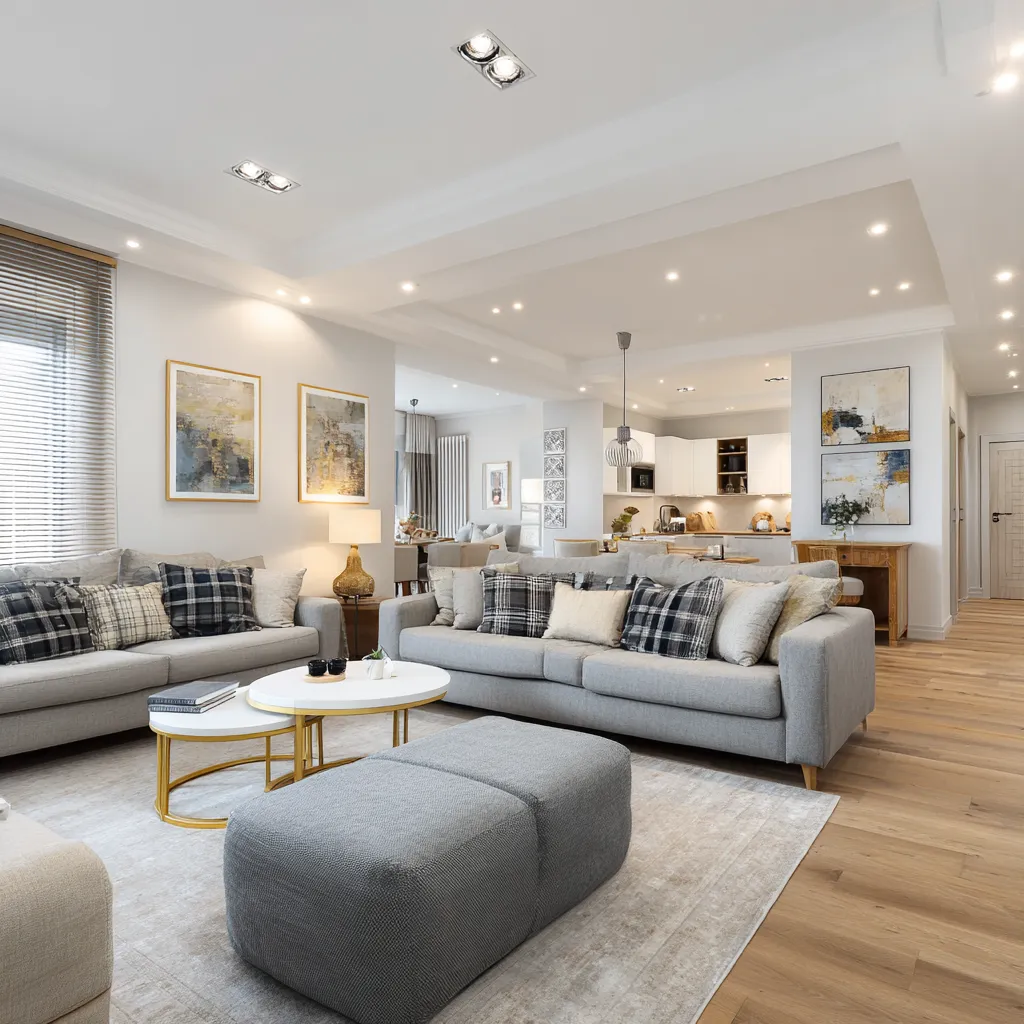
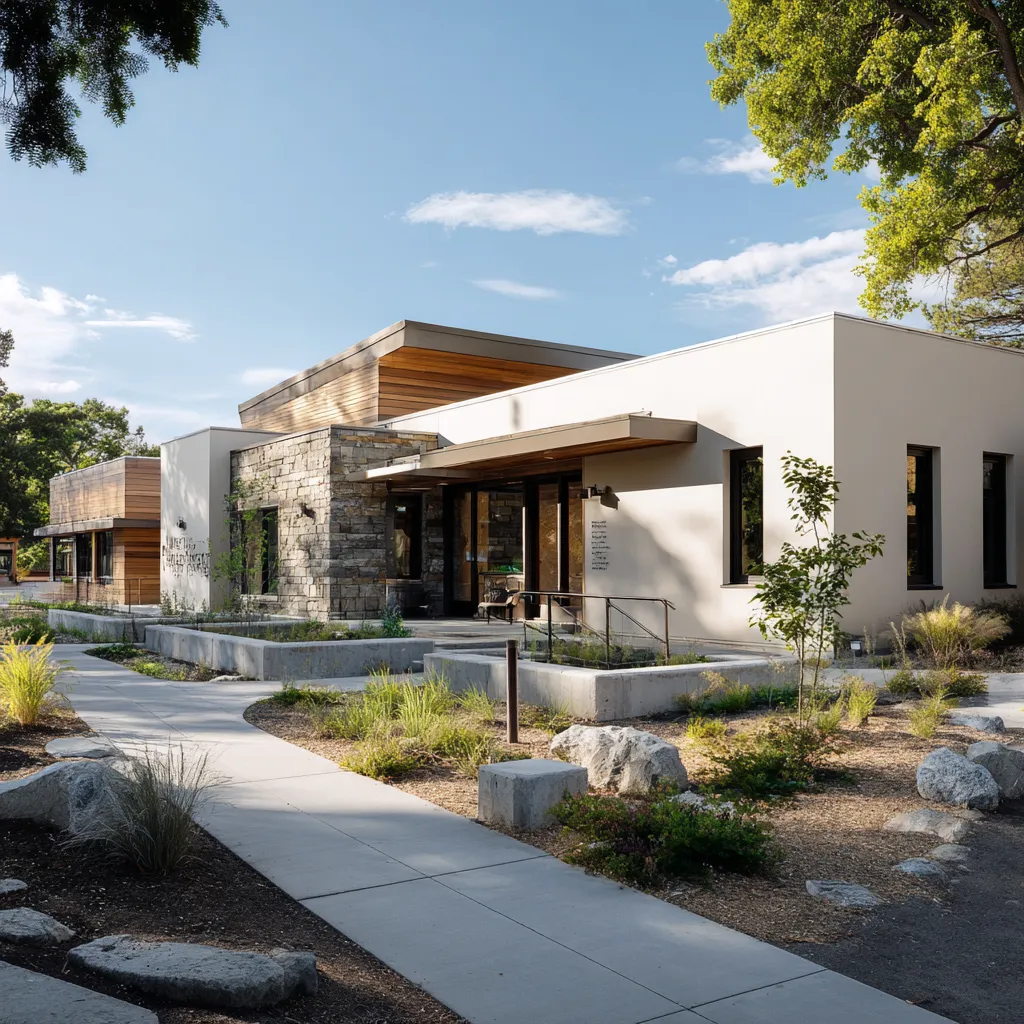
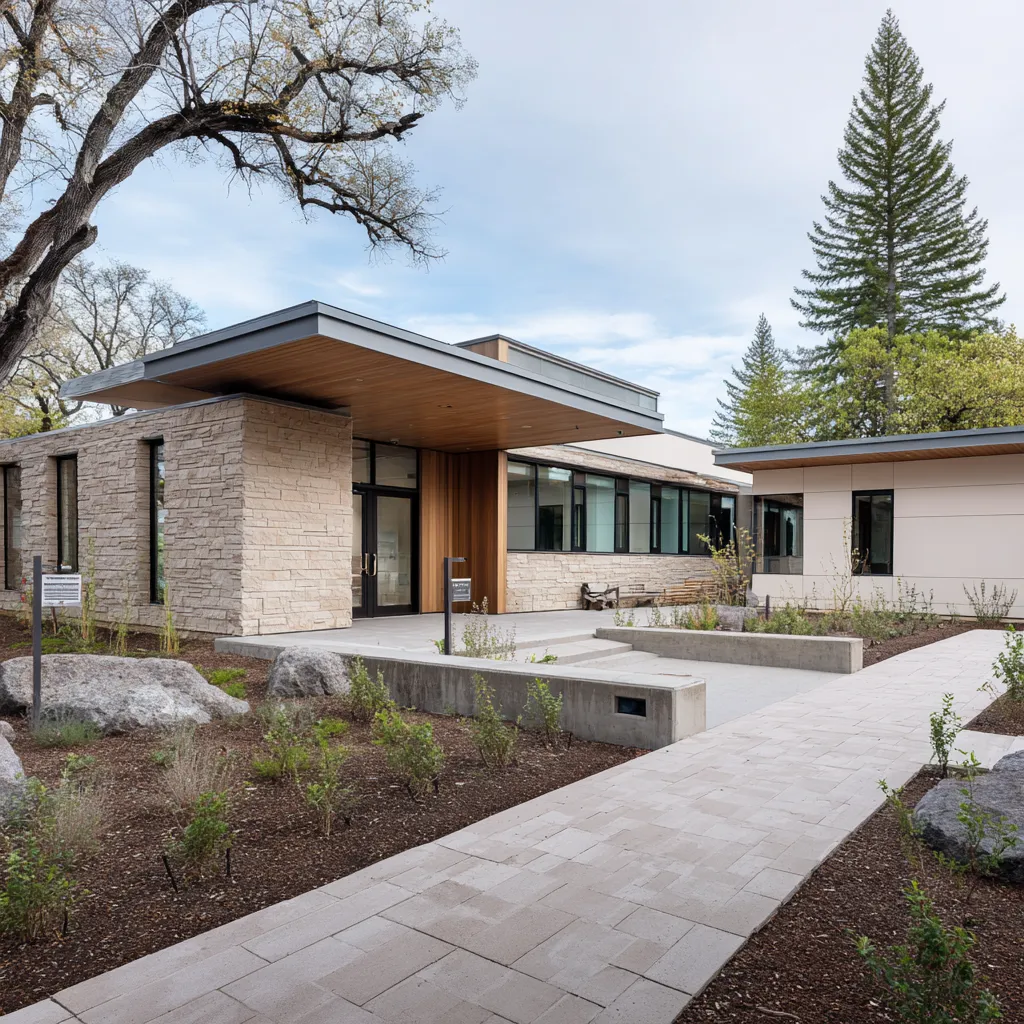
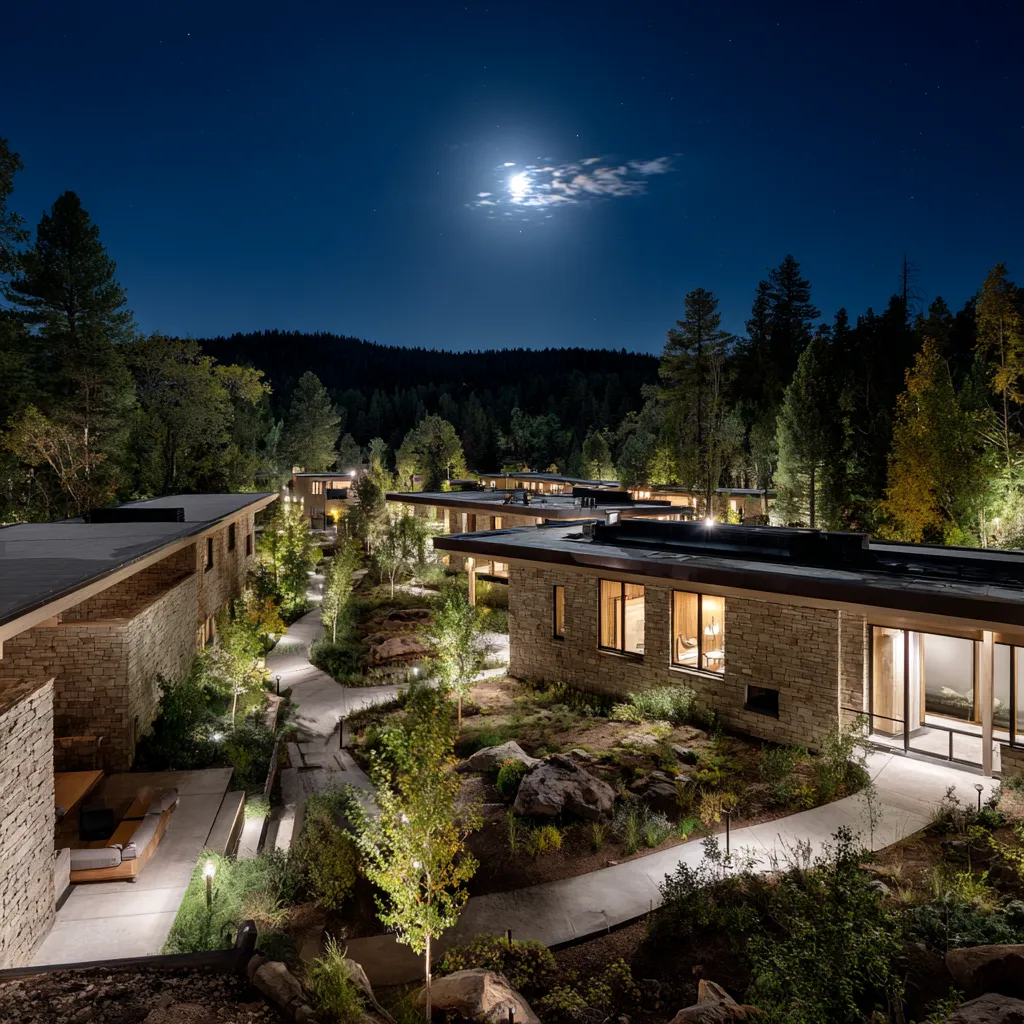
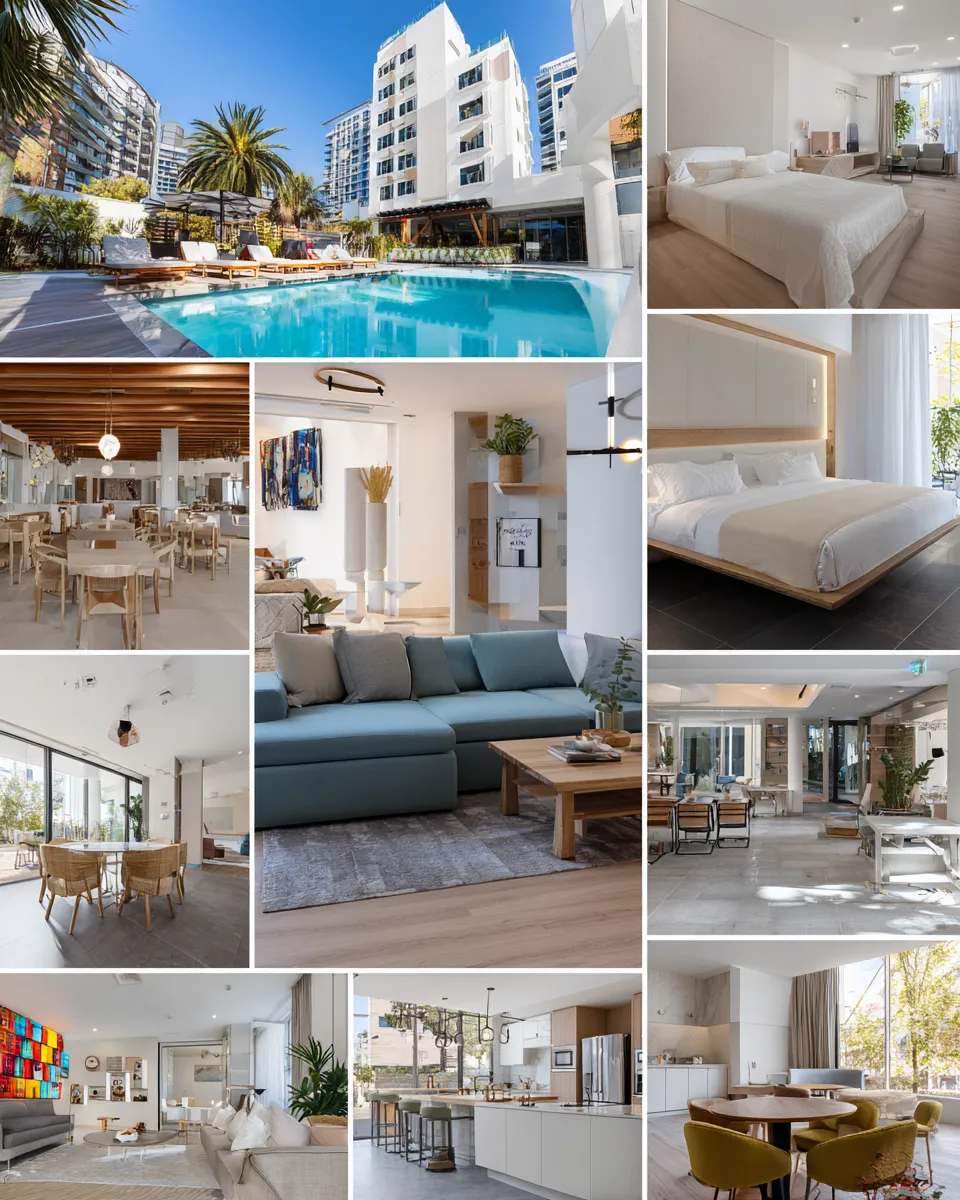
Our Facility

Amenities

  • Semi-Private Rooms
  • Aquatic Center
  • Outdoor Yoga Deck
  • Art Therapy Room
  • Creative Arts Studio
  • Outdoor Fire Pit
  • Family Picnic Grounds
  • Game Room

Learn More About Our Approach

Contact us today to learn about our programs and dedicated team.